
SHORT ANSWER
An AI agent is software that uses a large language model to reach a goal. It plans steps, calls tools such as APIs, databases or search, checks the results and decides what to do next. A chatbot only answers, while an agent takes actions within limits set by permissions and human approvals. A first production agent typically takes two to four months.
An AI agent is a software system that uses a large language model (LLM) as its reasoning engine to reach a goal for a user. Give it a task such as “summarize this customer’s open issues and draft a reply”. The agent picks the steps, uses tools to fetch data or act, checks what comes back and repeats until the task is done or it needs a person.
How does an AI agent work?
Model: an LLM reads the goal, plans steps and picks the next tool to call.
Tools: functions that wrap APIs, databases, search or other software, often exposed through the Model Context Protocol.
Memory and context: conversation history, task state and knowledge retrieved with RAG.
Control loop: the agent acts, looks at the result and decides whether to continue, retry or stop.
Guardrails: permissions, approval steps, step limits and logging that keep the agent inside agreed boundaries.
Why do AI agents matter for enterprises?
Many processes mean reading documents, looking things up in several systems and writing a result somewhere else. Agents can take on much of that, so people spend their time on decisions and exceptions. The risks are real too. An agent with broad access can make costly mistakes or be manipulated through prompt injection. Programmes that work start with a narrow process, clear success metrics and human review.
Chatbot vs. copilot vs. AI agent
| Chatbot | Copilot | AI agent |
|---|---|---|---|
Main job | Answer questions | Assist a person in a tool | Complete a task |
Takes actions | Rarely | With user confirmation | Yes, within limits |
Multi-step planning | No | Limited | Yes |
Example | FAQ assistant | Drafting emails in Outlook | Processing incoming invoices end to end |
How do you scope a first agent?
Describe the process as you would for a new hire: which systems it may use, which decisions it may take alone, when it must ask for approval and how you’ll measure success. As a typical range, a first production agent for a well-defined process takes two to four months, including connecting systems, evaluation and security testing.
Not every step needs an agent. For a nonprofit in human services, we replaced spreadsheets and manual re-keying with an event-driven platform on Azure. Serverless functions collect and transform data from forms and third-party systems, and external ML models give staff recommendations in real time. Manual data entry time dropped by an estimated 60 to 80%. Plain automation did most of that work. Save the agent for the steps that need judgment.
How RUBICON helps with AI agents
We help you find the steps where an agent earns its place and build the automation around them, with role-based access from day one. See our AI agents services, or our architects can map your process with you.
Related terms
Frequently asked questions
What is the difference between an AI agent and a chatbot?
A chatbot answers questions in a conversation, usually from a fixed knowledge base. An AI agent works towards a goal. It can break a task into steps, call tools and systems, read the results and keep going until the task is done. Many modern assistants do both, chatting with users while they take actions in the background.
What are examples of AI agents in business?
Common examples include agents that triage support tickets and draft replies, extract invoice data and enter it into ERP systems, prepare case summaries for caseworkers, reconcile transactions, watch for supply chain exceptions or research and draft sales proposals. Most production agents handle one well-defined process, with a person reviewing the key decisions.
How do AI agents connect to company systems?
Agents call tools, which are functions wrapping APIs, databases, search indexes or other services. Standards such as the Model Context Protocol (MCP) make it easier to expose tools to different AI clients in a consistent way. Give each tool its own permissions, input validation and logging, so the agent can only do what you allow.
Are AI agents safe to use in production?
They can be, with the right controls. Typical safeguards are least-privilege access, human approval for high-impact actions, limits on steps and spend, input and output filtering, defences against prompt injection, full audit logs and ongoing evaluation. Start with a narrow, measurable process and widen the scope only once it works.
Related case study
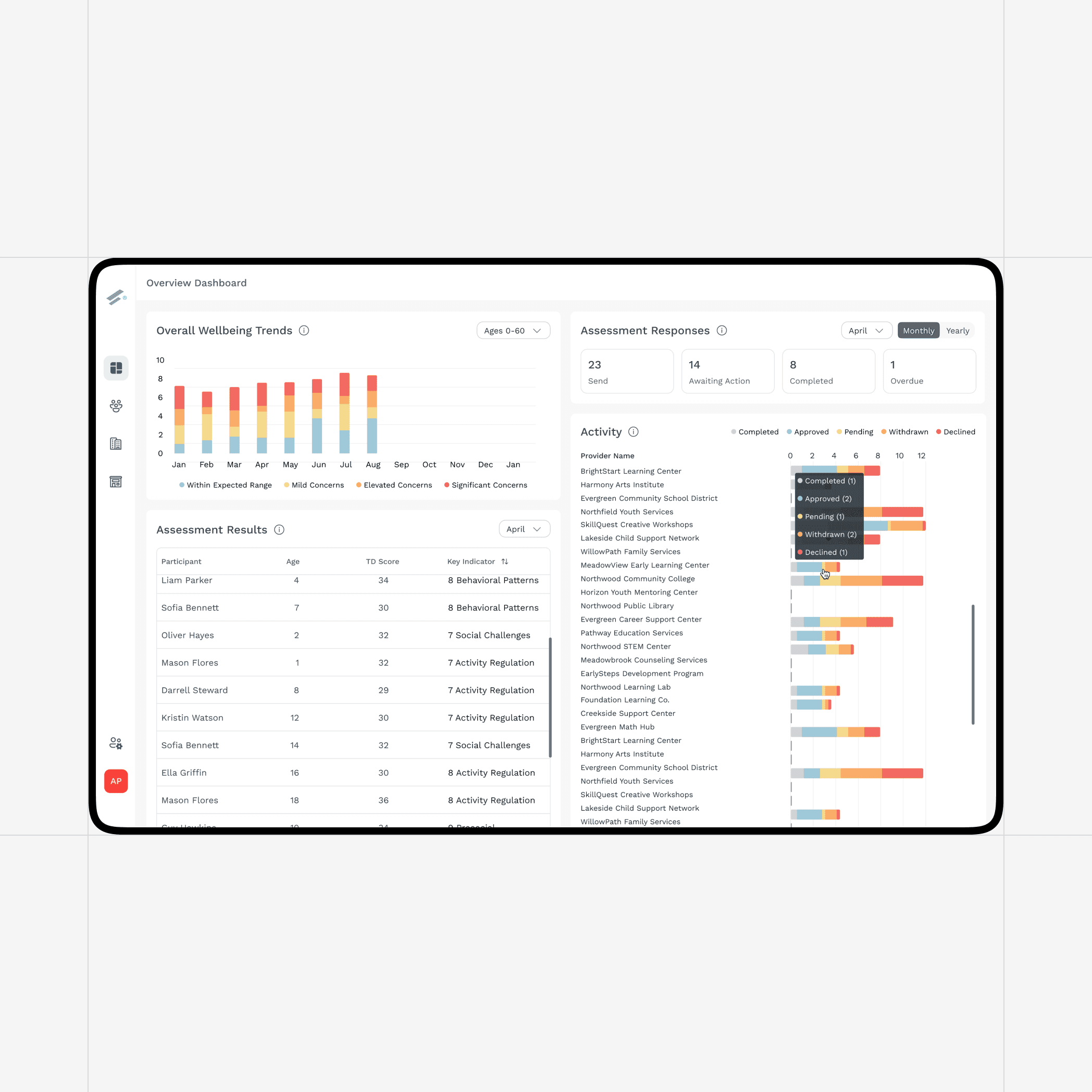
Automating Human Services Case Management with Azure
How we replaced fragmented manual workflows with a serverless, RBAC-secured platform built on Azure
More resources