
SHORT ANSWER
A data lakehouse stores all your data as open files in low-cost cloud object storage and adds data warehouse features on top: ACID transactions, schemas, governance and fast SQL. One copy of the data then serves BI reports, data engineering and machine learning, instead of a separate lake and warehouse. A first production lakehouse typically takes three to six months.
A data lakehouse combines the low-cost, flexible storage of a data lake with the reliability and speed of a data warehouse. Your data sits in open file formats such as Parquet in cloud object storage (Azure Data Lake Storage, Amazon S3 or Google Cloud Storage). A table format adds transactions, schemas and governance, so the same data can serve reporting, analytics and AI.
How does a lakehouse work?
Open storage: raw and processed data lives as files in object storage, which costs far less per terabyte than proprietary warehouse storage.
Table format: Delta Lake, Apache Iceberg or Apache Hudi add ACID transactions, schema enforcement, time travel and file statistics on top of those files.
Compute engines: Spark, SQL warehouses and ML runtimes read the same tables, and compute scales separately from storage.
Catalog and governance: a catalog such as Unity Catalog manages permissions, lineage and discovery across all tables.
Layered design: most teams organise tables with the medallion architecture (bronze, silver, gold).
Why does it matter for enterprises?
A separate lake and warehouse means you copy data twice, pay for two platforms and reconcile numbers that never quite match. A lakehouse keeps one governed copy. Your data scientists work on the same trusted tables as finance and operations, and the path from raw data to dashboard gets shorter. Open formats also reduce lock-in, because other engines can read the data.
Data lake vs. data warehouse vs. lakehouse
| Data lake | Data warehouse | Data lakehouse |
|---|---|---|---|
Storage | Open files, low cost | Proprietary, higher cost | Open files, low cost |
Data types | Any | Mostly structured | Any |
Transactions and schemas | No | Yes | Yes |
BI performance | Poor | Strong | Strong |
Machine learning access | Direct | Limited | Direct |
Scale is rarely the hard part. We built a data lake portal on Azure for a global chemical and consumer goods company, designed for more than 10 million files, 30,000 new files a day and at least 1,000 peak users in parallel. The harder work was helping people find the right data and get access through an owner approval flow. A lakehouse makes tables reliable, but you still need a catalog and named owners.
Start with a handful of high-value sources, such as ERP, CRM and one operational system, and a few gold tables for finance or supply chain reporting. Then move existing warehouse reports across in waves. The main risks are weak governance, uncontrolled compute costs and copying old warehouse designs without rethinking them for open storage.
How RUBICON helps with lakehouse platforms
We’re a Databricks Partner and a Microsoft Solutions Partner for Cloud & AI Platforms. Our data engineering team builds data platforms on Azure and Databricks. If you’re planning your first lakehouse, our architects can help you size a realistic first release.
Related terms
Frequently asked questions
What is the difference between a data lake and a data lakehouse?
A data lake is cheap storage for raw files with little structure, so data quality and performance are often poor. A lakehouse keeps the same open storage but adds a table format with transactions, schema enforcement, versioning and indexing. You can then trust and query the data like a warehouse, and machine learning teams can still use it directly.
Is Databricks a data lakehouse?
Yes. Databricks popularised the term, and its platform is built on the lakehouse pattern, with Delta Lake tables and Unity Catalog for governance. Microsoft Fabric follows a similar approach with OneLake and Delta tables. Snowflake, Google BigQuery and AWS also support lakehouse patterns through Apache Iceberg tables.
Does a lakehouse replace a data warehouse?
For many companies it does, because modern lakehouse SQL engines handle most BI workloads. Some organisations keep an existing warehouse for specific reporting during a transition and use the lakehouse for everything else. The decision usually depends on existing licences, skills, query concurrency needs and how much data science work you plan.
How long does it take to build a data lakehouse?
A first production lakehouse covering a few key source systems and reports typically takes three to six months with a small data engineering team. A full migration of an existing warehouse and all its reports typically takes 9 to 18 months, depending on the number of sources, data quality and governance requirements.
Related case study
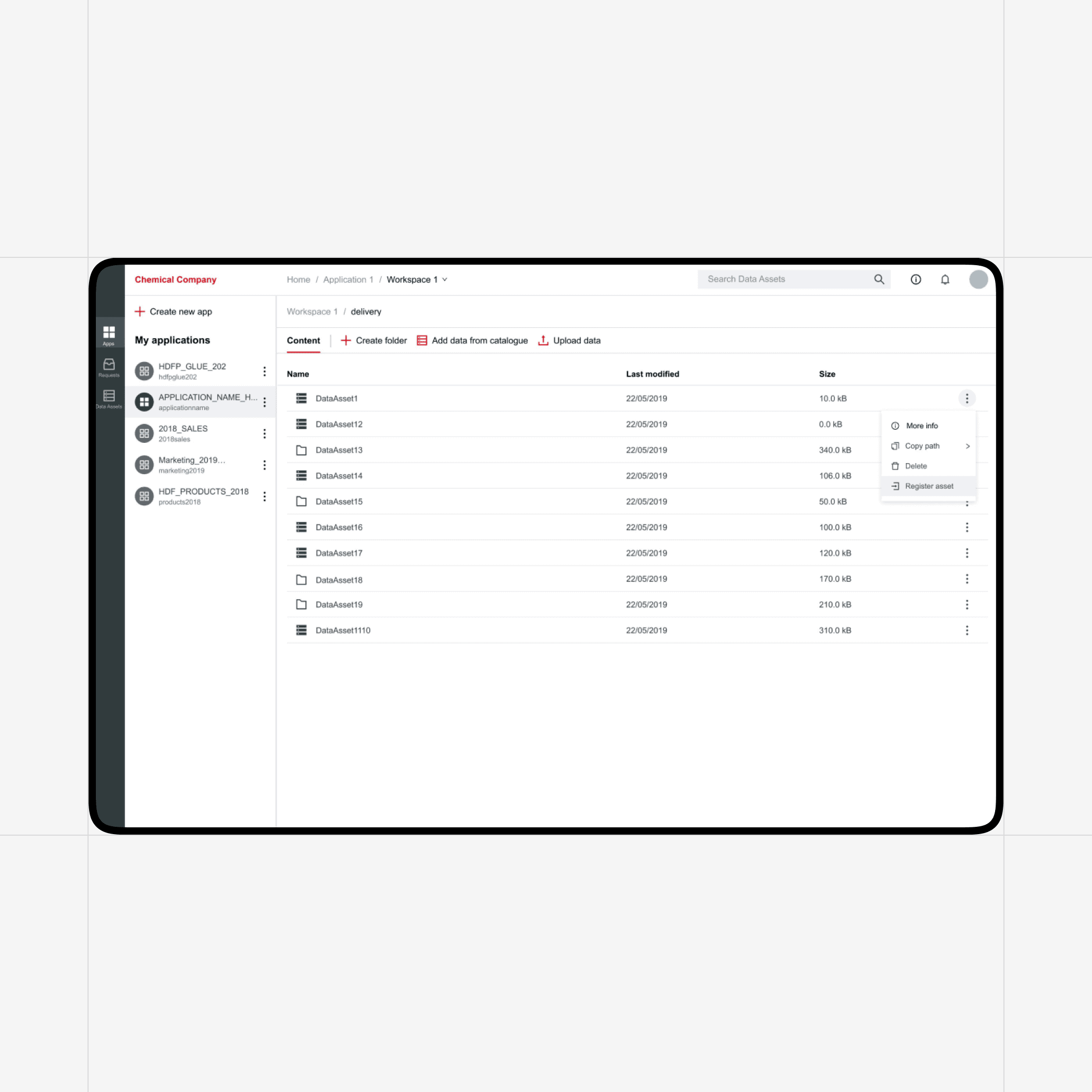
Data Lake Portal for Chemical & Consumer Goods
Digital Transformation: RUBICON Develops a Secure Cloud Native Platform for a Global Chemical & Consumer Goods Company
More resources