
SHORT ANSWER
Custom software development cost in Europe comes down to team size × duration × your partner’s rate. A focused MVP typically needs 3 to 5 people for 3 to 5 months, and a discovery phase 2 to 4 people for 1 to 3 weeks. Nearshore rates in Central Europe and the Western Balkans are usually lower than in Western Europe. Scope clarity, connected systems and the engagement model move your total most.
You have a product idea or a system to replace, and you need a number before anyone approves a budget. That number depends on three things: how many people you need, for how long, and what an engineering hour costs where your team sits. This guide gives you typical 2026 team sizes and timelines for common projects, shows what pushes the total up or down, and explains how to get a quote you can compare.
How do software development rates differ across Europe?
Rates depend on region, seniority, tech stack and contract length. Rates and budgets vary by engagement, so we don’t publish a price list. We scope each project and give you a direct quote. What you can compare upfront is the relative rate level of each region and how well it fits your working day.
Region | Typical rate level | Working-hours overlap with Central Europe |
|---|---|---|
UK and Ireland | Highest | Full (0 to 1 h difference) |
Germany, Austria, Switzerland, Nordics | Highest | Full |
Benelux and France | High | Full |
Southern Europe (Spain, Portugal, Italy) | Medium | Full |
Central and Eastern Europe (Poland, Czechia, Romania) | Medium | Full |
Western Balkans (Bosnia and Herzegovina, Serbia, Croatia) | Lower than Western Europe | Full (same CET time zone) |
India and Southeast Asia | Lowest | Partial (3.5 to 6 h ahead) |
The gap between Western Europe and nearshore regions comes mostly from cost of living, not skill. Teams in Central Europe and the Balkans share your working day, so daily stand-ups and same-day feedback still work.
How much effort do typical projects take?
Hours matter more than rates. The ranges below are typical for a nearshore team and a scope you’ve already written down. For a first estimate, multiply team size by duration by your partner’s rate, then add the costs teams forget, listed further down.
Project type | Typical team | Typical duration | Main cost drivers |
|---|---|---|---|
Discovery or design sprint | 2 to 4 people | 1 to 3 weeks | Number of stakeholders, open questions and workshops |
MVP web or mobile app | 3 to 5 people | 3 to 5 months | Feature count, platforms (web, iOS, Android), connected systems |
First release of a data platform (for example Azure and Databricks) | 3 to 6 people | 3 to 6 months | Number of source systems, data quality, security setup |
AI agent or RAG chatbot, pilot to production | 2 to 5 people | 2 to 4 months | Data readiness, actions versus answers, accuracy targets |
Dedicated team, ongoing | 3 to 8 engineers | Ongoing, billed monthly | Team size, seniority mix, length of the roadmap |
What drives the price?
Scope clarity. Unclear requirements are the most common reason budgets grow. A week of discovery usually saves several weeks of rework.
Connected systems. Hooking into ERPs, legacy databases, payment providers or identity systems often takes longer than building new features.
Compliance and security. Healthcare, finance and public-sector work needs audit trails, access control and documentation. Plan for a typical 10 to 25 percent more effort.
Team seniority mix. A strong lead architect costs more per hour and usually saves hours overall.
Platforms and devices. A web app plus native iOS and Android apps can nearly double front-end effort compared with web only.
Quality expectations. Automated tests, CI/CD and monitoring cost more upfront and make every later release cheaper.
How phasing the scope keeps an MVP budget honest
When we built a native Android app for a U.S. fintech, the feature list was long: core banking, transfers, P2P payments, ATM search, digital cards, spending analytics, gift cards, carbon footprint tracking and referrals. We split it into two releases. The first carried the money features people use every day. Gift cards, carbon tracking and referrals waited for the second.
Two other choices kept the plan predictable. UX and UI design ran about two months ahead of development, so design decisions were settled before each sprint started. And the team worked in two-week sprints, which gave the client a steady rhythm to reprioritize against. If your MVP list keeps growing, ask which features users need on day one and park the rest.
How does the engagement model change the total?
Fixed price. Fits small, well-defined work such as a discovery phase or a tightly specified MVP. The partner carries the estimation risk and prices it in.
Time and materials. Fits products where requirements will change. You pay for the hours used and reprioritize every sprint.
Dedicated team. A stable group of engineers works only on your product, billed monthly. For long-running products it usually gives the best value.
Our comparison of dedicated teams, fixed price and time and materials goes deeper on risk and control.
Which costs do teams forget to budget for?
Project management and QA. Ask whether they sit inside the rate or come on top. Either way, they’re real effort you can’t skip.
Cloud infrastructure and third-party licences. These run every month from the first test environment onward, and they grow with users and data.
Maintenance and support after launch. Security updates, library upgrades and small fixes continue as long as the product runs. Plan them per year, not as a one-off.
Onboarding and migration. Time for your own team to learn the system, plus any content or data migration.
How do you get an accurate estimate?
Share the business goal, the main users, the systems you need to connect to and any hard deadline. A good partner proposes a short discovery phase, then returns a scoped backlog, an architecture outline, a team setup and a quote. To compare quotes, ask each partner for the same things: team size and roles, seniority mix, duration, rate per role, what’s included (project management, QA, DevOps, cloud) and what counts as a change request.
Be careful with detailed fixed quotes written without discovery. They hide assumptions, and those assumptions come back later as change requests. For team setup and talent in one nearshore location, see our guide to nearshore software development in Bosnia and Herzegovina.
How RUBICON helps with software budgets and team setup
We’re a software, data and AI engineering company of about 55 people, 40+ of them engineers, founded in 2013 in Sarajevo and working in CET. We’ve launched 60+ products for 51 clients across Europe and North America, and 70% of new clients come to us through referrals. Rates depend on scope, team setup, seniority and duration, so every engagement starts with a short discovery. You get a scoped estimate and a direct quote before you commit to a build.
Most clients then work with us as a dedicated team or through end-to-end product development. If you’re putting a budget together, send us a short brief and we’ll come back with a scoped estimate.
Frequently asked questions
How much does an MVP cost with a nearshore team in Europe?
A focused web or mobile MVP typically needs 3 to 5 people working for 3 to 5 months, so your cost is that team size times the duration times your partner’s rate. Nearshore rates in Central Europe and the Western Balkans are usually lower than in Western Europe. A tight scope, early decisions about which systems to connect, and a clear split between the first and second release keep you at the lower end.
Is nearshore cheaper than hiring in-house engineers?
Usually, for the first one to two years. A nearshore team removes recruiting time, employer costs, equipment and idle time between projects, and you can scale it up or down. In-house hiring pays off when the product is core to your business and you need that knowledge inside the company for the long term. Many companies combine both.
What is included in a typical hourly rate?
A partner's rate normally covers the engineer's salary, social costs, equipment, office, tooling licences, management overhead and the partner's margin. Ask whether project management, QA and DevOps are included or billed separately. That one question changes how two quotes compare more than the headline rate does.
How do we get an accurate estimate for our project?
Start with a discovery phase of one to three weeks. The team clarifies goals, users, connected systems and risks, then delivers a scoped backlog, an architecture outline, a team setup and a quote you can plan against. Estimates made without discovery tend to miss assumptions, and those assumptions come back later as change requests.
Related case study
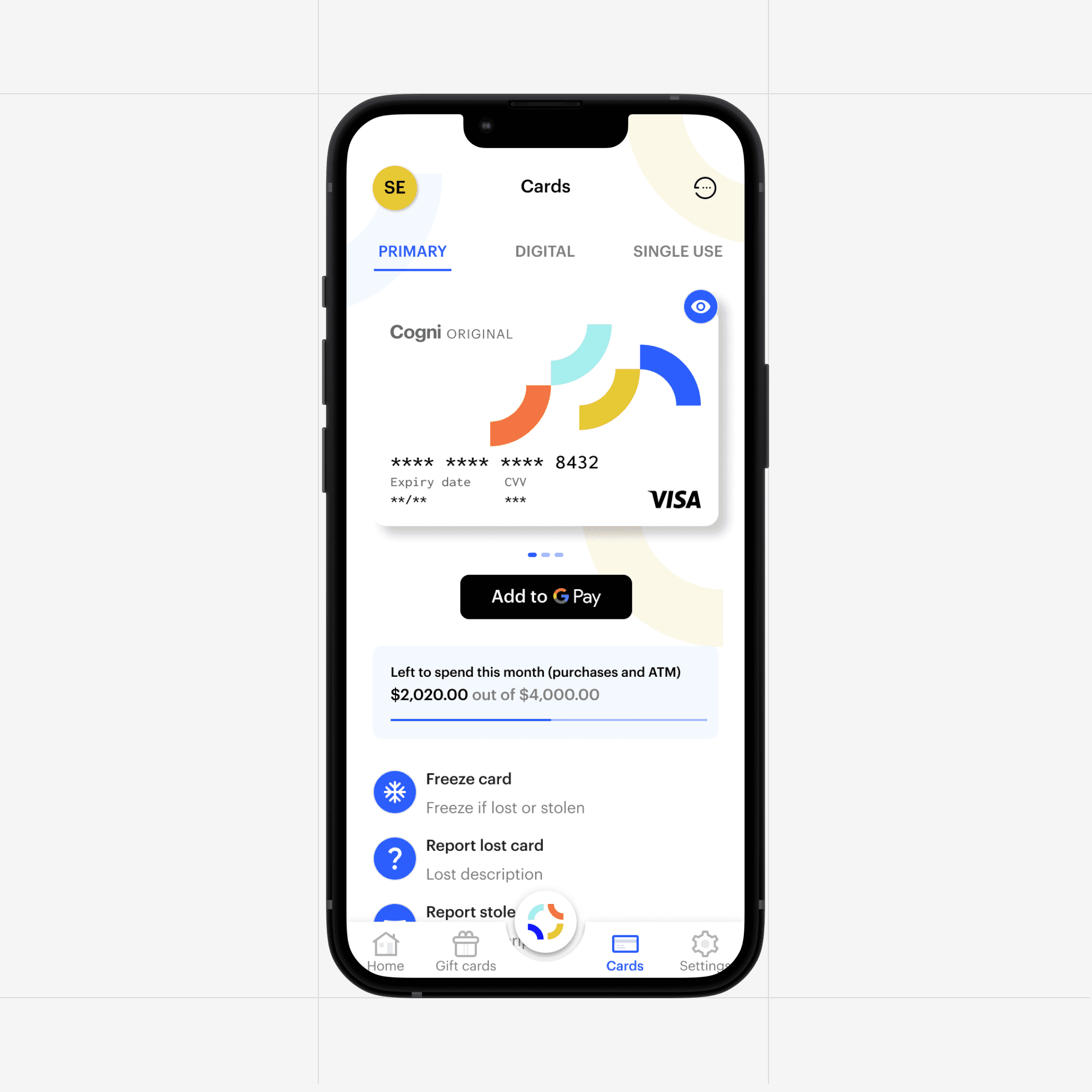
Digital Banking Mobile Platform | Case Study
The FinTech app brings you curated brands and experiences while helping manage your spending
More resources